
The Future of Digital Marketing is being shaped by one powerful force: Generative AI. What once seemed like a futuristic concept has now become an everyday tool for marketers across the world. In 2026, generative AI is not just assisting marketing efforts — it is transforming how brands communicate, create, analyze, and convert. Businesses that understand this shift are gaining a competitive edge, while those who ignore it risk falling behind.
Generative AI refers to artificial intelligence systems capable of creating text, images, videos, music, and even code. For digital marketers, this means faster content creation, smarter customer targeting, and more personalized brand experiences. As we move deeper into the Future of Digital Marketing, AI is no longer optional; it is becoming a core part of successful marketing strategies.
Smarter Content Creation at Scale
Content remains the foundation of digital marketing, but the way it is produced has dramatically evolved. In the Future of Digital Marketing, generative AI tools help marketers create high-quality blog posts, social media captions, ad copy, email campaigns, and even video scripts within minutes. Instead of replacing creativity, AI enhances it by offering ideas, variations, and optimizations based on data.
Marketers can now test multiple content angles quickly, personalize messages for different audience segments, and maintain consistency across platforms. This level of efficiency allows brands to focus more on strategy and storytelling while AI handles the heavy lifting of drafting and optimization.
However, the human touch still matters. In 2026, successful marketers combine AI speed with human creativity, emotion, and brand voice. This collaboration defines the Future of Digital Marketing — not humans versus AI, but humans working smarter with AI.
Hyper-Personalization Like Never Before
One of the biggest shifts in the Future of Digital Marketing is the rise of hyper-personalization. Generative AI analyzes customer data, browsing behavior, purchase history, and engagement patterns to create highly tailored experiences. Instead of generic ads or emails, customers now receive messages that feel personally crafted for them.
AI can generate personalized product recommendations, dynamic website content, and customized email sequences based on individual preferences. This increases engagement, improves customer satisfaction, and boosts conversion rates. In 2026, personalization is no longer a luxury — it is an expectation.
Brands that use generative AI to understand their audience on a deeper level are building stronger relationships and long-term loyalty. This customer-centric approach is a key pillar of the Future of Digital Marketing.
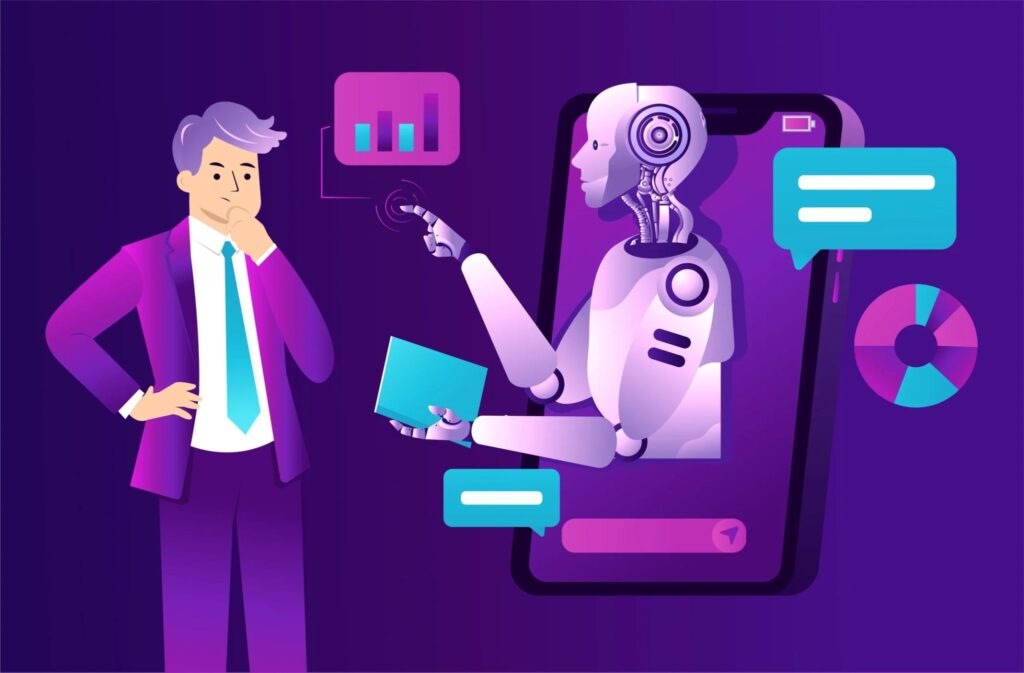
AI-Driven Advertising and Campaign Optimization
Paid advertising has also evolved significantly. Generative AI now plays a major role in creating ad variations, testing creatives, and optimizing campaigns in real time. Platforms powered by AI can automatically adjust budgets, targeting, and bidding strategies based on performance data.
In the Future of Digital Marketing, ad campaigns are more data-driven than ever. AI identifies which headlines, visuals, and calls-to-action resonate most with specific audience segments. It then generates improved versions, allowing campaigns to continuously evolve and perform better.
This level of automation reduces wasted ad spend and increases return on investment. Marketers no longer rely solely on manual analysis; instead, they use AI insights to make faster and more accurate decisions.
Visual and Video Content Revolution
Visual content is dominating digital platforms, and generative AI is accelerating this trend. AI tools can now design graphics, edit images, create short videos, and even generate realistic virtual presenters. For brands, this means producing professional-quality visuals without large production teams.
In the Future of Digital Marketing, small businesses can compete with larger brands by using AI-powered design and video tools. Social media content, product demos, and promotional videos can be created quickly and optimized for different platforms.
This democratization of creative production is reshaping the marketing landscape. AI is lowering the barrier to entry while raising the standard for visual storytelling.
Enhanced Customer Interaction Through AI
Customer engagement is also being transformed. AI-powered chatbots and virtual assistants are becoming more human-like, capable of holding natural conversations and providing instant support. These systems can answer questions, recommend products, and guide users through the buying process 24/7.
In the Future of Digital Marketing, customer service and marketing are closely connected. Every interaction becomes an opportunity to build trust and drive conversions. Generative AI helps brands respond faster, understand customer intent, and deliver consistent experiences across touchpoints.
This not only improves customer satisfaction but also frees up human teams to focus on complex and high-value interactions.
Data, Insights, and Predictive Marketing
Data has always been central to digital marketing, but generative AI takes data usage to the next level. AI can analyze massive datasets to identify trends, predict customer behavior, and suggest the best marketing actions.
In the Future of Digital Marketing, predictive analytics allows brands to anticipate customer needs before they are even expressed. Marketers can launch campaigns at the right time, with the right message, on the right platform. This proactive approach increases efficiency and improves overall marketing performance.
AI-generated reports and insights also make data easier to understand, enabling marketers to make informed decisions without spending hours on manual analysis.
Challenges and Ethical Considerations
While generative AI offers incredible benefits, it also brings challenges. Issues such as data privacy, content authenticity, and over-reliance on automation must be addressed. In the Future of Digital Marketing, ethical AI use will be a major focus.
Brands must ensure transparency, protect customer data, and maintain a balance between automation and genuine human connection. Trust will become a key differentiator, and companies that use AI responsibly will stand out in a crowded market.
The Human Role in an AI-Powered Future
Despite rapid technological advancements, the human element remains irreplaceable. Strategy, emotional intelligence, brand storytelling, and ethical decision-making are still driven by people. Generative AI is a powerful tool, but it works best when guided by human insight.
The Future of Digital Marketing is not about replacing marketers; it is about empowering them. Professionals who learn to work alongside AI, adapt to new tools, and focus on creativity and strategy will thrive in this evolving landscape.
Conclusion
Generative AI is redefining how digital marketing works — from content creation and personalization to advertising and customer engagement. As we move through 2026, the Future of Digital Marketing is becoming more intelligent, automated, and data-driven, yet still deeply human at its core.
Businesses that embrace generative AI while maintaining authenticity and ethical practices will lead the next era of marketing. The future is not just digital — it is intelligent, adaptive, and powered by collaboration between humans and AI.